
The Origin of Salmon Pu’er Rice — and Why TeaHaus Does It Differently
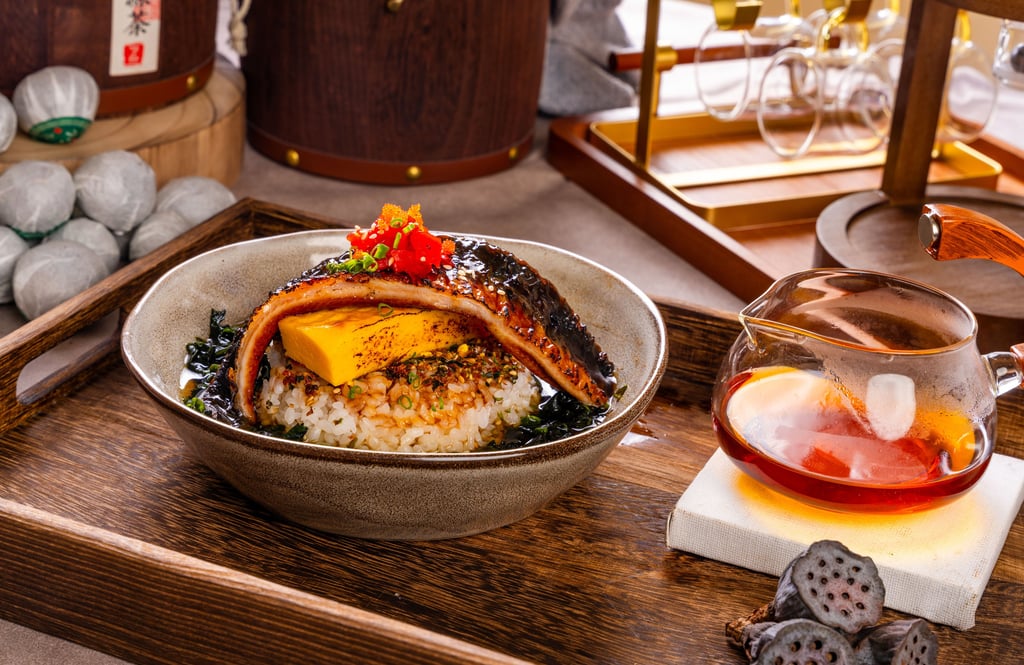
At first glance, salmon and Pu’er tea may seem like an unlikely pairing. One belongs to the cold, clean waters of the North Atlantic; the other, to centuries-old tea mountains in Yunnan. Yet at TeaHaus, this combination is not a novelty — it is a carefully constructed dish built on provenance, technique, and flavour integration
KL Review Malaysia
4/9/20263 min read
My post content
The Origin of Salmon Pu’er Rice — and Why TeaHaus Does It Differently
At first glance, salmon and Pu’er tea may seem like an unlikely pairing. One belongs to the cold, clean waters of the North Atlantic; the other, to centuries-old tea mountains in Yunnan. Yet at TeaHaus, this combination is not a novelty — it is a carefully constructed dish built on provenance, technique, and flavour integration.
Where Does Salmon Pu’er Rice Come From?
Salmon Pu’er rice is not a traditional dish in the classical sense. It is a modern culinary creation rooted in cross-cultural gastronomy, where Eastern tea traditions meet Western premium ingredients.
Pu’er tea, originating from China’s Yunnan province, has long been valued for its deep, earthy, and slightly woody profile. Traditionally consumed as a beverage, it is known for aiding digestion and balancing richness — qualities that make it highly compatible with fatty proteins.
Salmon, particularly from cold-water regions such as Norway, is prized for its clean taste, firm texture, and natural oil content. In contemporary cuisine, chefs increasingly explore tea as a flavouring medium — using it to smoke, infuse, or perfume dishes.
The concept of Salmon Pu’er rice emerges from this evolution:
Pu’er tea acts as a flavour bridge, cutting through the richness of salmon
Rice serves as a neutral carrier, absorbing both the tea’s aroma and the fish’s natural oils
The result is a dish that is balanced, aromatic, and structurally layered
In short, it is a product of modern culinary thinking rather than traditional lineage.
Why TeaHaus Salmon Stands Out
1. Norwegian Salmon: Clean, Controlled, Premium Source
TeaHaus places strong emphasis on ingredient provenance, beginning with Norwegian salmon — widely regarded as one of the most consistent and high-quality sources globally.
Cold, fast-flowing waters in Norway create ideal conditions for salmon farming:
Lower water temperatures produce firmer flesh and better fat distribution
Strict aquaculture regulations ensure traceability and food safety
The flavour profile remains clean, mildly sweet, and free from muddiness
From a culinary standpoint, this matters. When paired with tea — a subtle and aromatic ingredient — the protein must be clean enough to carry nuanced flavours without overpowering or clashing.
2. Authentic Pu’er from Organic Farm-to-Table Sources
Equally critical is the sourcing of Pu’er tea. TeaHaus adopts a farm-to-table philosophy, selecting tea leaves from organic or minimally processed plantations.
High-quality Pu’er offers:
Deep, earthy undertones without excessive bitterness
Natural fermentation complexity, contributing to umami depth
Aromatic persistence, allowing the tea to linger subtly in the dish
Unlike mass-produced tea, which can be flat or overly tannic, properly sourced Pu’er introduces refinement. It enhances rather than masks, functioning almost like a seasoning layer.
3. Technical Integration — Not Just Infusion
What differentiates TeaHaus is not merely the use of tea, but how it is integrated into the cooking process.
Rather than treating Pu’er as an afterthought, it is applied with intention:
Infused into the rice during cooking to build a foundational aroma
Potentially used in marinades or light smoking techniques to bind flavours together
Balanced to avoid overpowering the natural sweetness of the salmon
This reflects a more advanced culinary approach — where tea is treated similarly to stock, spice, or fermentation, rather than a gimmick.
4. Flavour Architecture: Balance and Layering
The success of Salmon Pu’er rice lies in its flavour architecture:
The salmon delivers richness and natural oils
The Pu’er introduces earthy depth and mild astringency
The rice absorbs and harmonises both elements
The result is a dish that feels composed rather than heavy. Each component plays a functional role, creating a progression of flavours rather than a single dominant note.
5. A Reflection of Modern Asian Dining
TeaHaus positions this dish within a broader movement: modern Asian cuisine that respects tradition while embracing innovation.
By combining premium imported ingredients with heritage tea culture, the dish speaks to a new generation of diners — those who value:
Ingredient transparency
Craftsmanship and technique
Experiences that go beyond conventional flavour profiles
Final Perspective
Salmon Pu’er rice is not just a signature dish — it is a statement of intent. At TeaHaus, the queue is driven by more than curiosity. It is sustained by a disciplined approach to sourcing, a thoughtful use of tea as a culinary medium, and a commitment to balance.
The pairing of Norwegian salmon with organically sourced Pu’er tea demonstrates how global ingredients and traditional elements can be aligned into a cohesive, modern dining experience — one that is both refined and memorable.
In a market where many concepts rely on trend, this level of integration is what ultimately sets TeaHaus apart.
© 2026. TEAHAUS. ALL RIGHTS RESERVED.