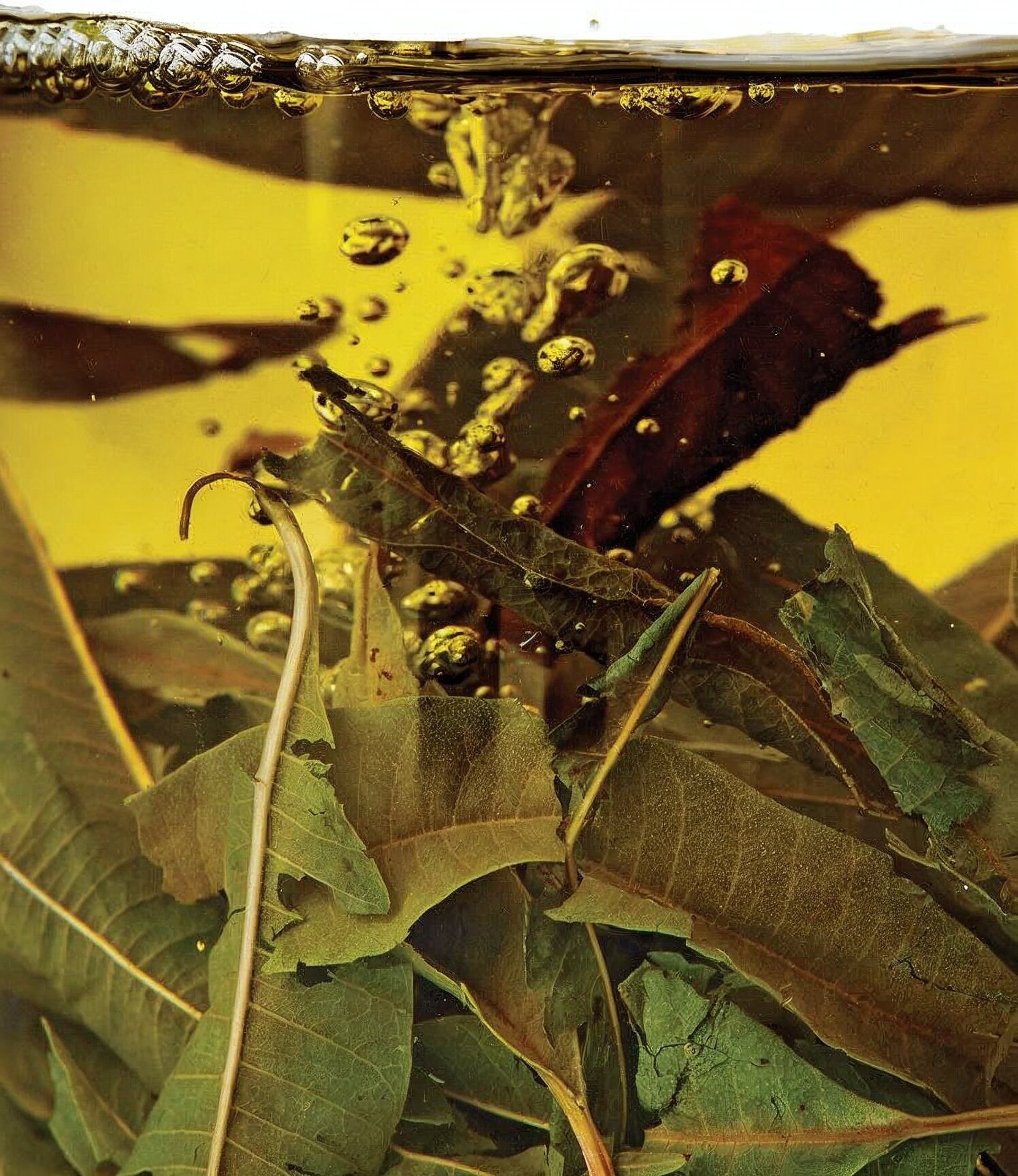

The History of Pu’er Tea
Pu’er tea is one of the most distinctive and historically rich tea categories in China, with origins that trace back over a thousand years. Named after Pu’er City in Yunnan Province, it is deeply tied to trade, geography, and a unique process of post-fermentation that sets it apart from all other teas.
KL Review Malaysia
3/3/20263 min read
My post content
The History of Pu’er Tea
Pu’er tea is one of the most distinctive and historically rich tea categories in China, with origins that trace back over a thousand years. Named after Pu’er City in Yunnan Province, it is deeply tied to trade, geography, and a unique process of post-fermentation that sets it apart from all other teas.
Origins in Yunnan
Pu’er tea originates from the mountainous regions of Yunnan, in southwestern China — an area widely considered the birthplace of tea itself. Indigenous tea trees, some of them centuries old, grow in biodiverse forests at high elevations.
During the Tang Dynasty (618–907), tea from Yunnan began to be traded more systematically. However, it was during the Tang–Song transition that tea production expanded, and by the Ming and Qing Dynasties, Pu’er had become a recognized and valuable commodity.
The name “Pu’er” comes from a central trading post — Pu’er City — where tea was collected, compressed, and distributed to other regions.
The Tea Horse Road
A major factor in Pu’er’s historical importance was its role in the Ancient Tea Horse Road, a network of trade routes connecting Yunnan to Tibet, Sichuan, and beyond.
Compressed tea cakes were transported by caravans of horses and mules across difficult terrain. Pu’er was especially valued in Tibet, where it was consumed daily, often mixed with butter and salt.
The long journey had an unexpected effect:
The tea naturally fermented over time during transit
Environmental exposure transformed its flavour into something deeper, smoother, and less astringent
This accidental aging process eventually became a defining characteristic of Pu’er tea.
Development of Fermentation Techniques
Unlike green or oolong teas, Pu’er undergoes post-fermentation, meaning it continues to age and evolve after processing. Over time, two main styles emerged:
1. Raw Pu’er (Sheng)
This is the traditional form, minimally processed and naturally aged over years or decades.
Starts with a more astringent, grassy profile
Gradually develops into a complex, mellow, and earthy tea
2. Ripe Pu’er (Shou)
Developed in the 1970s to accelerate aging, this method uses controlled fermentation (known as “wet piling”).
Produces a dark, rich tea in a shorter time
Flavour is smoother, with notes of earth, wood, and sometimes cocoa-like depth
This innovation made Pu’er more commercially accessible while preserving its signature characteristics.
Cultural and Medicinal Significance
Pu’er has long been valued not just for its taste, but for its perceived health benefits. Traditionally, it is believed to:
Aid digestion, especially after heavy meals
Help balance internal “heat” in Chinese dietary theory
Improve circulation and metabolism
Because of this, it became a staple in regions with rich, meat-heavy diets, particularly in Yunnan and Tibet.
Pu’er as a Living Tea
One of the most unique aspects of Pu’er is that it is often treated like a living product. Unlike most teas, which degrade over time, Pu’er can improve with age under proper storage conditions.
Collectors and enthusiasts store tea cakes for years, even decades, allowing flavours to mature and deepen. This has led to a market where aged Pu’er can become highly valuable, similar to fine wine.
Modern Revival and Global Interest
In recent decades, Pu’er tea has experienced a resurgence in global interest. Connoisseurs appreciate its complexity, aging potential, and connection to traditional craftsmanship.
At the same time, modern culinary spaces — such as TeaHaus — are reinterpreting Pu’er beyond the teacup, integrating it into contemporary cuisine.
This evolution reflects Pu’er’s versatility: a product rooted in history, yet adaptable to modern tastes and innovation.
Final Perspective
Pu’er tea is more than a beverage — it is a reflection of geography, trade, and time. From ancient caravan routes to modern dining tables, its journey has been shaped by both nature and human ingenuity.
Its defining characteristic — the ability to evolve — is precisely what makes it relevant today. Whether aged in a tea cake or infused into contemporary dishes, Pu’er continues to bridge tradition and modernity in a way few ingredients can.
© 2026. TEAHAUS. ALL RIGHTS RESERVED.